The Growing Beauty Industry in South Africa
Understanding Local Consumer Behaviour
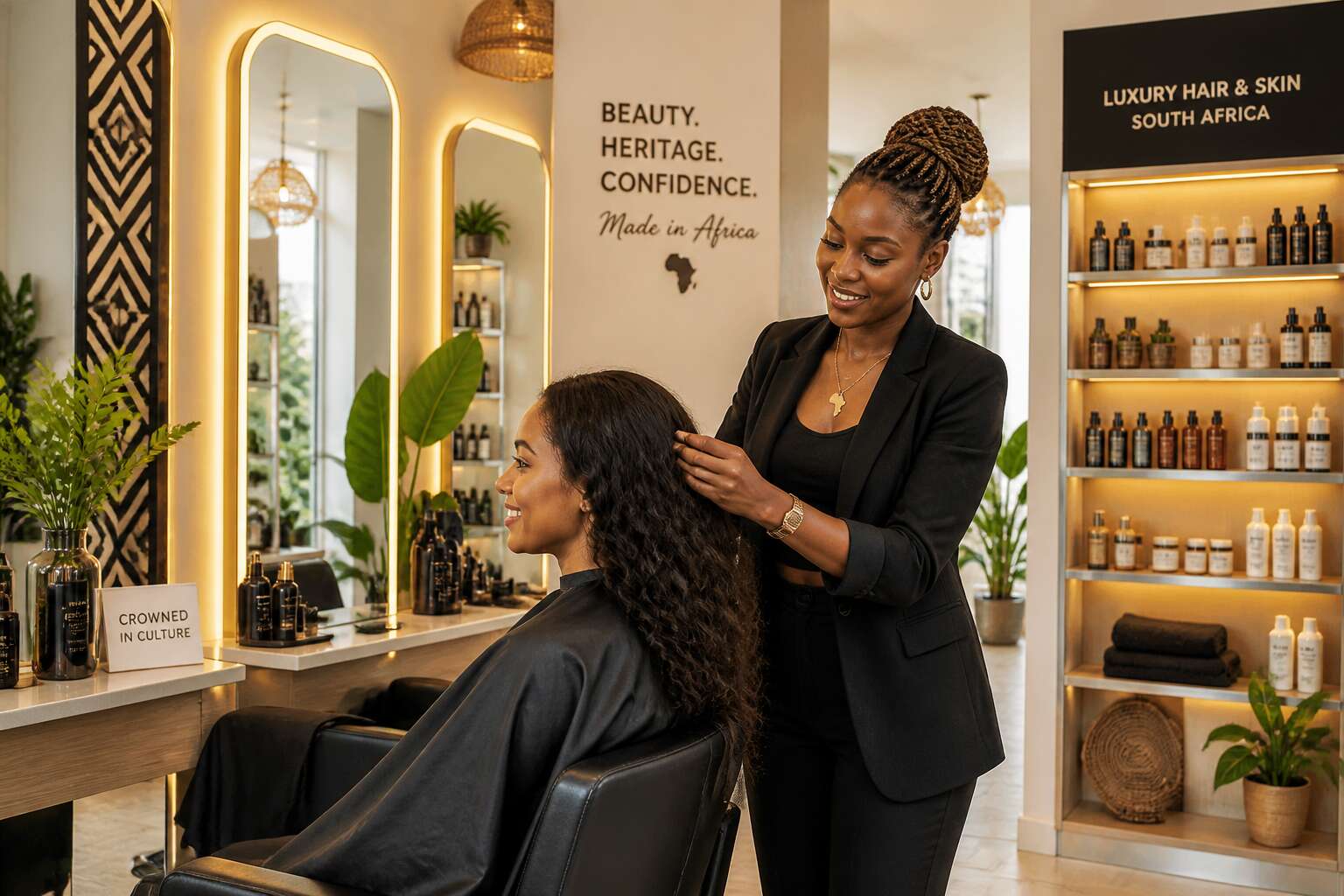
The South African beauty economy is expanding, surprising seasoned analysts. More women and men are spending on skincare, nails, and hair care as disposable incomes shift. This demand has opened space for beauty salon franchises in south africa, but success depends on reading the local market carefully.
Consumer behavior here is distinct. Trust is built through personal relationships, not just brand names. People choose a salon because a friend vouches for it or because the stylist remembers their name. Price sensitivity matters. Many clients want premium results at accessible rates.
Here are a few traits that define the local beauty consumer:
- Loyalty to familiar staff, not just the salon.
- Preference for convenient locations with safe parking.
- Interest in products suited to African hair and skin.
Franchises that recognize these patterns can build client bases. The growth is real. Beauty salon franchises in south africa will thrive when they listen first.
The Rise of Professional Beauty Services
The professional beauty landscape in South Africa has experienced a profound metamorphosis over the past decade. What was once a purely informal trade, often conducted from kitchen tables or modest backyard structures, has evolved into a polished, regulated sector. This transformation signals a maturing economy where consumers increasingly demand hygiene standards, technical certification, and a touch of extravagance. The appetite for qualified professionals is insatiable, and the market rewards those who invest in their craft.
This shift towards formalisation has opened lucrative avenues for beauty salon franchises in south africa. Clients are no longer satisfied with a simple haircut; they seek the full theatre of beauty. The modern consumer purchases an experience, an escape from the daily grind, and a space where their aesthetic aspirations are not merely met but exceeded.
– Advanced nail artistry and intricate lash application techniques.
– Specialised chemical treatments engineered for diverse hair textures.
– Holistic wellness services, integrating skincare with relaxation therapies.
The rise of these professional services has elevated the standard of the entire industry. There is a palpable sense of pride in the artistry involved, a dedication to the precision of a perfect brow or the science behind a robust perm. For entrepreneurs, this represents a golden era. The infrastructure for success is already in place, and beauty salon franchises in south africa are riding this wave of sophistication. They offer the structure and brand recognition necessary to thrive in an environment where professionalism is now the benchmark.
Economic Impact and Employment Opportunities
The beauty industry in South Africa has quietly become a formidable economic engine. Established trade reports suggest the sector injects billions into the GDP each year while employing hundreds of thousands of people. Those are remarkable figures for a profession many still mistake for pure frivolity.
This workforce is wonderfully varied. It includes mobile therapists, lash artists, nail technicians, and scalp specialists. Beauty salon franchises in south africa amplify this economic weight by introducing structured, salaried employment where informal gigs once ruled. They offer formal training, predictable pay, and genuine career progression. That beats hustling alone with a folding table and a wing and a prayer.
Consider the typical franchise ripple effect:
- Junior stylist positions tied to accredited learnerships
- Management tracks for senior therapists and shift leaders
- Back office roles in procurement, logistics, and client management
Each new franchise location creates a measurable ladder of opportunity. Beauty salon franchises in south africa build a stable professional class rather than merely moving product. The economic impact is not abstract; it lands as a monthly payslip for thousands of local workers.
What to Look For in a Beauty Franchise
Evaluating Brand Strength and Market Presence
A franchise brand is more than a logo. For beauty salon franchises in south africa, brand strength lives in the operational backbone, the training protocols, and the supply chain that keeps every station stocked and every treatment consistent. A franchise with robust systems will save you from reinventing the wheel during turbulent trading months. Market presence, however, is a different metric. It is the visibility you gain from a brand that has already fought the lease battles and negotiated prime corners.
I have walked through many locations where the foot traffic is generated by the brand’s reputation alone, not by the individual stylist. That is the power of established market presence. When evaluating your options, consider the support infrastructure baked into the franchise fee.
– Assess the average revenue per square meter of existing outlets
– Verify the franchisor’s ability to secure exclusive territorial rights
– Examine their national marketing fund and how it converts to local footfall
The strongest beauty salon franchises in south africa offer a clear demarcation of authority and responsibility. A quality franchisor will provide documented operational procedures that cover everything from client retention strategies to opening and closing duties. Look for a structure that provides direction without constant hand-holding. The balance is fragile, but when executed well, the franchise system becomes a vehicle for shared success.
Training Programs and Ongoing Support Systems
Training programs are where many beauty salon franchises in south africa either shine or stumble. A solid franchise will not hand you a scissors and a prayer. They should offer structured, hands-on training that covers the technical, the administrative, and the downright awkward customer moments. You want a system that turns a talented stylist into a competent business operator.
Ongoing support is the quieter, less glamorous sibling of training. The best franchisors offer regular operational audits, refresher courses, and a helpdesk that actually picks up the phone. Consider these non-negotiables:
- Access to updated product training as trends shift
- Clear escalation paths for operational disputes
- Regular feedback loops from existing franchisees
Without this backbone, you are simply renting a name. With it, you inherit a machine engineered for survival. Choose a franchise that invests in your competence, not just your capital.
Start-Up Costs, Royalties, and Hidden Fees
Start-up costs for beauty salon franchises in south africa are rarely the true measure of your financial exposure. The franchise fee is only the first toll. You must scrutinise the royalty structure, typically a percentage of turnover, and ask what that percentage actually purchases.
Hidden fees lurk in the quieter corners of the contract:
- Marketing levies that rise without your consent
- Forced stock purchases at marked-up prices
- Equipment maintenance charges that surface only after signing
The disclosure document demands the suspicion of a detective. Every omission is a promise of future cost. Total ownership costs across several franchise systems deserve comparison before you commit a single rand.
Contract Terms and Territorial Protection
The contract is the map of your business future, and ambiguity here is a costly compass. Every clause around your operational boundaries deserves scrutiny, especially when comparing beauty salon franchises in south africa. A vague territory definition can leave you competing with a sister store down the road. You need clarity on your protected area, the radius, and the criteria for opening new locations. Franchisors often retain the right to expand, but the terms should specify how that expansion affects your exclusivity.
Territorial protection is a negotiation point, not a given. Some systems offer exclusive zones, while others operate on a non-exclusive basis. This distinction changes your entire growth strategy.
– The exact geographic boundaries of your territory
– The franchisor’s right to sell through third-party channels in your area
– Conditions under which your territory can be altered or reduced
The enforcement of these terms is what separates a supportive partner from a passive one. You want a system that polices its own network, preventing brand dilution from rogue operators. When you evaluate beauty salon franchises in south africa, ask how disputes between franchisees are resolved. A contract that anticipates conflict is a contract written by people who have seen it before. Your attorney should read for the silences, the areas where the franchisor reserves rights that could undermine your investment. The territory clause is not just about geography, it is about the commercial viability of your salon for the next decade.
Marketing Assistance and Brand Guidelines
A salon’s brand is a promise etched into every client interaction, and the franchisor’s marketing system shapes that promise before you even unlock the doors. When evaluating beauty salon franchises in south africa, examine whether the corporate team supplies localized campaign assets or simply hands you a logo and wishes you luck. The best support feels less like a directive and more like a toolkit you can adapt to your community’s rhythms.
Look for clarity on how national advertising translates to your individual shop. A robust franchise provides:
- Local SEO guidance to capture nearby searches for services
- Seasonal promotional calendars with ready to deploy graphics
- Social media content banks that balance brand consistency with personal voice
- Approval workflows that respect your time while enforcing visual standards
Brand guidelines are not a creative straightjacket. They are the shared language that keeps every franchise location recognizable, and the franchisor should offer practical training on applying those rules to real world signage, promotions, and staff interactions. Without that structure, your marketing dollars scatter. With it, every rand works twice as hard.
Operational Processes and Quality Control
Behind every serene salon frontage lies a relentless choreography of schedules, supply chains, and sanitation. When you invest in beauty salon franchises in south africa, you are purchasing a system that has already ironed out the daily chaos. Scrutinise how the franchisor manages stock levels to prevent overordering expensive colour lines or understocking popular retail products. A precise operational manual should outline every step, from client consultation forms to the sterilisation of tools, ensuring a uniform standard across each branch.
Quality control extends beyond hygiene protocols. The franchise must define how it monitors service consistency. Mystery shopper programmes, client feedback loops, and routine equipment audits signal a brand that cares about its reputation. Ask how the central team handles complaints and whether they hold individual locations accountable. Consider the operational backbone of the franchise:
– Centralised booking software that tracks therapist availability
– Standardised product dispensing practices to minimise waste
– Regular equipment maintenance schedules to prevent downtime
– Detailed incident reporting procedures for client safety
A franchise that solves these operational riddles frees you to focus on hospitality. Without this structure, a salon becomes a collection of personalities rather than a unified experience. The best networks treat quality control as a living process, not a laminated checklist, and they empower franchisees to flag issues without fear of reprisal. That transparency separates resilient brands from fragile ones, and it is precisely where your long term peace of mind begins.
Best Franchise Concepts for Aspiring Owners
Full-Service Salon Franchises
Full-service salon franchises in South Africa deliver a pragmatic path for owners who want multiple income streams without juggling separate venues. I have watched operators thrive when they pair hair care with nails, skincare, and spa treatments, because guests stay longer and spend more per visit. The secret lies in spatial design and staff cross-training, not just service menus.
Consider these markers of a resilient full-service concept:
– A service menu that naturally encourages add-ons, like a blowout paired with a gel manicure
– Treatment rooms designed for quick turnovers and high daily occupancy
– Retail shelves stocked with products that match the services offered
These elements separate profitable franchised units from struggling ones. The beauty salon franchises in south africa space rewards systematic thinkers who can manage peak hour schedules, inventory, and client retention with equal precision.
Specialised Hair and Nail Studios
Specialisation changes the client experience. A specialised hair and nail studio feels focused from the moment you walk in, because the entire operation serves one discipline. I have watched owners turn a single service into a destination offering, with clients booking weeks ahead for one precise treatment.
The economics shift in your favour! Rent stays low because the floor plan shrinks. Inventory narrows to products that directly serve the specialisation. Staff training accelerates because the skill set is finite. This is the leanest entry point into the beauty salon franchises in south africa market.
What separates thriving studios from struggling ones?
- A signature service that clients cannot replicate at home
- Pricing structured for speed, not hour-long appointments
- A booking rhythm that eliminates dead air between clients
Specialised studios win on operational clarity. Every decision serves one purpose. Beauty salon franchises in south africa that embrace this model often post stronger profit margins. That clarity gives clients consistency and owners predictability.
Mobile and Home-Based Beauty Services
Mobile and home based beauty services represent the quietest revolution in the beauty salon franchises in south africa landscape. The overhead vanishes. Your salon becomes a curated kit, a schedule, and a clientele that values convenience over curb appeal.
The economics favour the agile owner. No rent, no receptionist, no idle chairs. A mobile operator can serve three clients in different suburbs before a traditional salon opens its doors. For aspiring owners with limited capital, this model offers the fastest path to revenue.
Consider the operational realities that make this concept thrive:
– A vehicle that doubles as storage and branding
– A booking system that groups clients by geographic zone
– A product kit of professional grade tools, not stripped down approximations
Home based studios carry their own charm. A dedicated room with proper lighting and a basin can satisfy municipal requirements. The intimacy of a private space builds loyalty. Clients refer friends because the experience feels exclusive.
Affordable Franchise Opportunities
One in four new franchise agreements in South Africa now covers a beauty service, but the profiles are shifting. The most affordable franchise opportunities are no longer traditional salons. They are compact, service specific concepts with low staffing needs and modest stock requirements. This shift allows first time owners to enter the market with working capital of under R250,000.
Consider what defines a sound low cost beauty franchise:
- A menu limited to two or three services.
- A supplier network that delivers directly to your premise.
- A central booking system that lowers the need for a full time receptionist.
These features reduce the pressure on monthly turnover. I have watched owners run successful outlets from 20 square metre spaces inside grocery stores. The parent brand handles the marketing, so the franchisee focuses on repeat visits. That makes beauty salon franchises in south africa accessible to people who would otherwise wait years to save a deposit.
High-End Luxury Salon Brands
Forty percent of luxury salon clients in Johannesburg spend more than R800 per visit, yet their loyalty hinges on an experience that exceeds the service itself. The high end segment of beauty salon franchises in south africa operates on a different economic principle than the compact kiosks we explored earlier. A flagship store in Sandton City, for instance, requires capital upwards of R2.5 million, but it yields a clientele that treats the salon as a sanctuary. The real estate alone, often exceeding 150 square metres, demands a specific demographic density that only upmarket nodes provide.
The operational rhythm shifts dramatically at this tier. A luxury franchise demands a higher ratio of staff to chairs, usually three professionals per five stations, because the service is layered. A single appointment might involve a scalp massage, a colour consultation, and a bespoke skincare analysis. The parent brand insists on these rituals, as they create a narrative that justifies a premium price point. This model relies on precision:
– A concierge desk that manages appointments, refreshments, and aftercare sales simultaneously.
– A proprietary product line that clients cannot purchase at retail outlets, ensuring the salon is the sole source.
– A quarterly stock rotation that introduces limited edition treatments, keeping the menu fresh.
The training for these brands is vocational in depth. Staff spend six weeks at the franchisor’s academy, learning not just technique, but the etiquette of high net worth service. This asset, the trained team, often becomes the franchisee’s most valuable holding. Turnover is lower in this segment because the earning potential for a senior stylist is substantial, often exceeding R45,000 per month with commissions. Therefore, the franchisee’s role shifts from managing staff to cultivating regulars.
The prototype conversion for an existing building is also steeper. High end beauty salon franchises in south africa require imported furnishings, specific lighting rigs, and hydraulic chairs that adjust to the millimetre. This is not a fit out; it is an installation. However, the protected territory is often tighter, sometimes a single mall precinct, which prevents cannibalisation between sister stores. The barrier to entry is deliberate, and that scarcity is precisely what supports the luxury positioning.
Step-by-Step Guide to Opening Your Own Salon
Assessing Your Skills and Financial Position
Franchise consultants say 70% of prospective owners underestimate their working capital needs. That number matters more than passion when you start this journey. For beauty salon franchises in south africa, your skills and finances determine survival.
First, assess your practical skills and business acumen. Technical ability keeps clients returning. Managerial competence keeps the lights on. You need both! Consider your comfort with:
- Daily cash flow tracking
- Staff rosters and payroll
- Supplier negotiations
If any area feels foreign, plan for extra training. When you compare beauty salon franchises in south africa, your financial position dictates which brands you can afford.
Second, review your balance sheet. Opening a franchise needs upfront capital, but the test is runway. Can you cover rent, salaries, and utilities for six slow months? Franchisors require proof of liquidity. Prepare your bank statements, asset records, and a personal budget. Your break-even point must be clear before signing.
Carrying Out Thorough Market Research
Market research determines whether your franchise thrives or merely survives. It goes beyond browsing competitor websites and requires physical presence in your target area. I recommend a structured investigation:
1. Visit multiple franchise locations unannounced during different peak hours.
2. Count foot traffic around each candidate site for two full weeks.
3. Interview existing franchisees about their actual revenue versus projections.
A brand that dominates in Sandton may struggle in Polokwane. Disposable income levels, population density, and cultural beauty standards shift between provinces. The distance to public transport, parking availability, and storefront visibility all influence walk-in custom. When you investigate beauty salon franchises in south africa, demand patterns vary dramatically by region and town.
Verify that the franchisor’s territory boundaries align with actual customer demographics. Spend time in the area during weekdays and weekends. Observe competitor queues. Speak to local suppliers about ordering volumes. Do not rely solely on the franchisor’s market study! Cross-reference their figures against your own observations.
Exploring Funding Options and Partnerships
Nearly three out of five franchise applications in South Africa fail at the funding stage, not because the business model is flawed, but because the capital structure is shaky. Mid range beauty salon franchises in south africa typically demand between R450,000 and R800,000 in start-up capital, and that figure excludes your living costs for the first six months. The funding routes are straightforward: commercial bank loans, franchisor finance, private investors, or partnerships.
In my experience, partnerships deserve the most scrutiny. When two people hold shares, the franchisor requires both to complete training and sign personal guarantees. If one partner withdraws, the surviving partner must buy out their share within a specific timeframe. Some franchisors prohibit passive partners entirely. Before approaching beauty salon franchises in south africa with a partnership structure, verify their policy on absentee shareholders.
Common funding structures include:
- Franchisor deferred payment plans
- Government backed schemes like SEFA and the NYDA
- Asset backed lending against property
- Retirement annuity withdrawals with professional tax advice
Interest rates and collateral requirements vary noticeably across the major banks, and the same business plan can produce very different offers depending on where you apply.
Selecting a Prime Location and Negotiating Lease
Location determines survival for beauty salon franchises in south africa. Foot traffic matters more than aesthetics. A salon hidden on a side street will struggle regardless of how polished the interior looks. Prime visibility near complementary businesses, such as gyms or fashion retailers, drives consistent walk-ins. You pay for that visibility through higher rental rates, but the trade off works when your clientele matches the surrounding demographic.
Negotiating a lease requires understanding your landlord’s motivations. Many commercial landlords sit with vacant units and prefer securing a reliable franchisee over chasing a marginally higher offer. You can leverage the franchise brand’s track record to negotiate rent free periods for fit out, or request a turnover based clause that adjusts rent during slower months. The key clauses to scrutinise:
– The escalation rate, typically 8 to 10 percent annually in South Africa.
– The renewal option period, which protects your business beyond the initial term.
– The exit clause, which determines your liability if the franchise underperforms.
– The maintenance responsibility for common areas and structural repairs.
I have sat across the table from landlords who initially refused to budge on deposit requirements, only to concede once I presented a detailed cash flow projection from the franchisor. That document carries weight. It shows you understand the numbers. It also shows the landlord that their tenant has genuine backing. Before you sign anything, walk the area at different times of day. A weekend crowd differs from a weekday one, and your salon’s revenue depends on that distinction.
Recruiting and Training Your Team
Recruiting your team separates a functioning salon from one with constant staff changes. In the beauty salon franchises in south africa, the crew reflects the brand. Hire for attitude first, then skill. A stylist who resists feedback damages your reputation faster than a slow week.
Your training process must be systematic. Every new hire needs the same induction. Product knowledge, client consultation scripts, sanitation routines. Do not assume experience covers your standards.
For the first month, pair new staff with senior employees. Schedule weekly reviews. Track their progress against specific metrics.
– Greeting protocols and phone etiquette
– Upselling techniques that do not feel pushy
– Complaint handling before it reaches management
Pay attention to retention. Replacements cost time and clients. Build a culture where people want to stay. I have seen salons fail because they skipped this step.
Overcoming Common Hurdles and Thriving
Navigating Legal and Licensing Requirements
One in three new franchise owners underestimate the weight of compliance. In South Africa, the legal landscape for beauty salon franchises in south africa demands more than a signed agreement. Zoning laws, health and safety certificates, and the Protection of Personal Information Act (POPIA) each carry their own complexities. I have seen owners stall for months because they missed a single municipal inspection window. Licensing works as a continuous process, not a one-time event. Renewal cycles and staff training on data privacy require constant attention. Some hurdles are predictable:
- Municipal health permits for sterilisation protocols
- Labour law compliance for commission-based stylists
- Provincial board certifications for specialised treatments
Each requires documentation that shifts as regulations evolve. A local compliance officer early on reduces surprises, keeping doors open without penalty.
Staff Retention and Team Development
The hurdles that break franchise teams rarely appear in financial projections. They show up as the quiet resignation of a senior colourist who feels unseen, or the slow drift of junior assistants who never received feedback. I have watched salons lose their best talent over one ignored grievance. That single misstep costs more than any equipment failure! For beauty salon franchises in south africa, retention is not a reward programme. It is a daily discipline.
Staff retention improves when development is concrete. Clear growth pathways matter more than bonuses. Practical steps include:
– Pairing each junior with a mentor for six months
– Rotating reception and treatment room duties
– Conducting monthly skill audits with documented results
This creates ownership. Teams stay when they see their future inside the business, not outside it. The franchisees who thrive treat staff as architects of the brand, not interchangeable parts.
Client Acquisition and Loyalty Programmes
Client acquisition stalls when franchisees ignore local realities. Load shedding schedules, cash-heavy economies, and taxi route foot traffic all determine salon traffic in ways national strategies miss. I have seen owners pivot to WhatsApp-based booking during blackouts and double their repeat visits in one quarter. For beauty salon franchises in south africa, these operational pivots matter more than any billboard campaign!
Loyalty programmes fail when they only track spend. The franchises that thrive offer tiered rewards tied to treatment frequency, not rand value. Common winning formats include:
- Free add-on treatments after five visits
- Birthday vouchers redeemable with any stylist
- Discounted pack purchases prepaid at full price
Referral schemes generate the strongest results when they connect directly to client conversations. Stylists who discuss treatments honestly bring in better matches than generic advertising.
Digital Marketing Tactics for Salons
Franchise systems often promise a silver bullet, but the reality of load shedding and data costs demands a more inventive approach. The most resilient beauty salon franchises in south africa are those that treat connectivity as a utility, not an assumption. When the grid fails, a salon with cached offline booking systems and a dedicated WhatsApp line continues to operate. This operational grit is the first hurdle, and mastering it separates thriving outlets from shuttered ones.
Digital marketing for salons has shifted from broad social media posts to hyper-local, functional engagement. A generic Instagram campaign is less effective than a targeted geofence ad that catches a customer two blocks away during a taxi rank queue. The digital tactics that produce real revenue are those that speak to immediate, local needs.
Consider these hurdles that quietly erode profitability:
– Inconsistent power supply disrupting point-of-sale systems and online booking.
– High data costs limiting video-heavy content consumption by target demographics.
– Cash-dependent client bases that require flexible payment solutions beyond card machines.
The marketing that wins here is lean and direct. Short, punchy promotions sent via WhatsApp status updates outperform polished adverts that take minutes to load on a 3G connection. It is about meeting the client where they already are, with content that respects their data spend. Search engine optimisation for these brands must also focus on local intent, targeting specific suburbs and landmarks rather than vague, national terms. This tailored, cost-conscious approach builds a digital presence that survives and even thrives when larger competitors stumble.
Staying Ahead of Industry Trends
Resilience in beauty salon franchises in south africa often comes down to how quickly an owner can reimagine a quiet Tuesday. A cancelled appointment can become a product workshop, and a stylist’s shift can move to match the school run. These small adjustments matter.
The real hurdles are rarely dramatic. They are supplier delays, the changing taste of a suburb, or a staff member leaving before a trained replacement arrives. Thriving means treating every new trend as a hypothesis. When a treatment appears, test it for two weeks and track who returns.
Before chasing the next big thing, I ask owners of beauty salon franchises in south africa to consider three questions:
- Can your team deliver this service with the equipment you already own?
- Does it solve a problem your regular clients have mentioned?
- Can you explain it to a client in one sentence?
Staying ahead is less about prediction and more about paying attention.



0 Comments