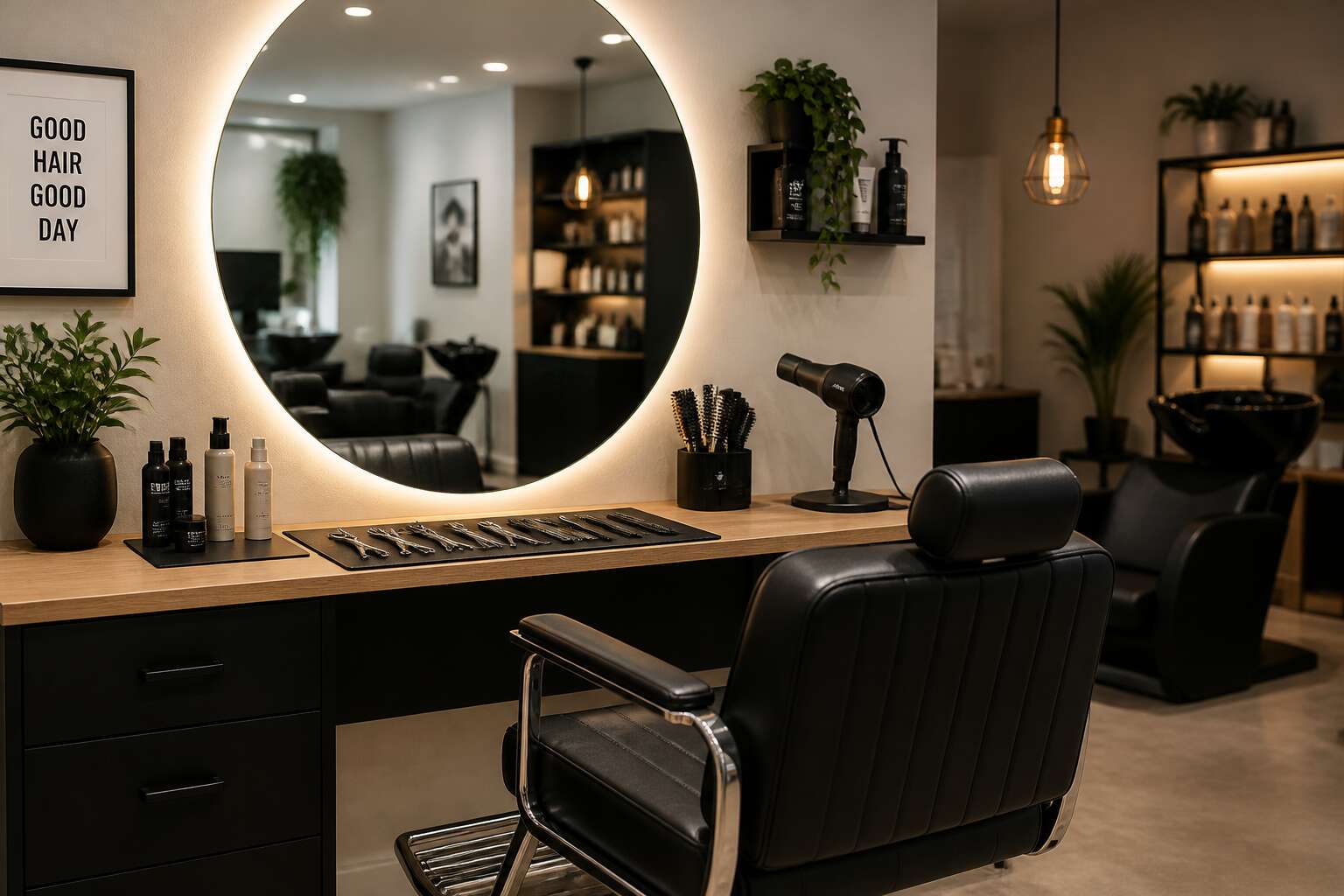
Essential Equipment for Modern Salons
Core Tools for Hair Styling and Cutting
The right tools transform a haircut from routine to remarkable. Across Johannesburg and Cape Town, the salon equipment used by leading stylists determines everything from precision to client comfort.
Professional clippers and shears form the backbone of any cutting station. A quality pair of Japanese steel scissors maintains its edge through hundreds of appointments. Clippers with adjustable blades accommodate every hair texture, from fine strands to dense curls.
Core cutting essentials include:
- Sectioning clips with firm grips
- Wide-tooth combs for detangling
- Razor combs for texturising work
- Cutting collars to keep clients comfortable
Each piece must withstand daily sanitising and constant handling. The salon equipment used in a busy establishment faces intense wear, so durability matters as much as performance. Investing in ergonomic handles and lightweight materials protects your stylists from fatigue during back-to-back appointments.
Must-Have Drying and Styling Appliances
The dance between water and heat is where a style truly finds its voice, and the salon equipment used for this phase is nothing short of orchestral. A dryer is not merely a machine that blows air; it is a precision instrument that dictates airflow and temperature control. Modern units with ion generators reduce frizz and speed up drying time, a luxury that every client appreciates when they are already an hour into their appointment.
The true artistry, however, often lies in the details of finishing. The salon equipment used for styling must offer versatility to transition from a sleek blowout to defined curls without a hitch.
– Ceramic or tourmaline plates for even heat distribution
– Adjustable heat settings to protect delicate or colour treated strands
– Swivel cords to prevent tangling and allow freedom of movement
– Concentrator nozzles for precise air direction
Consider the humble diffuser, an attachment that transforms a standard dryer into a tool for coaxing out natural curls. Without it, volume falls flat. Styling irons with floating plates adapt to the hair’s thickness, ensuring a smooth glide without snagging. In the bustling environment of a Johannesburg salon, where the power supply can be temperamental, investing in reliable professional grade equipment is a statement of intent. It signals that every strand, and every minute of the client’s time, is treated with deliberate care.
Sanitization and Hygiene Equipment
According to the South African Health Products Regulatory Authority, inadequate sterilization causes nearly 20% of salon related skin infections. The salon equipment used for sanitation deserves the same scrutiny as scissors or dryers. Autoclaves use pressurized steam to eliminate bacteria and fungi. Ultraviolet cabinets protect combs and brushes from contamination. I have seen too many busy shops neglect these essentials!
- Hospital grade disinfectant solutions
- Single use disposable items like razor blades
- Covered waste bins for biohazard materials
Without these, styling skill cannot compensate. Clean tools make every appointment safer.
Comfort and Ambiance Essentials
An uncomfortable client never returns, regardless of the haircut’s brilliance. The salon equipment used for comfort and ambiance dictates how long guests linger, how freely they book again, and how they describe your space to friends. Hydraulic styling chairs relieve lower back pressure during forty minute colour sessions. Pedicure loungers with heated seats turn a routine polish into a quiet ceremony.
Acoustic panels soften the clatter of dryers, while towel warmers add a small, memorable luxury. I first saw this combination in a Cape Town salon and immediately understood the difference! Diffused LED mirrors reduce eye strain and flatter natural skin tones, a subtle detail that elevates the perceived value of every visit.
Specialized Equipment by Service Type
Nail Care and Manicure Station Gear
Stepping into a proper manicure station reveals a world where precision trumps speed. The salon equipment used for nail services has evolved into a tailored toolkit, distinct from anything in the styling section. These pieces are designed for close work, where even a millimetre can change the outcome.
- A high quality nail drill with variable speeds
- An LED or UV lamp for curing gels
- A dust extractor to keep the air clean
Each item serves a specific purpose, and I’ve learned that investing in these tools transforms the client experience. The lamp’s timing, the drill’s torque, and the extractor’s quiet hum all contribute to a focused atmosphere. For nail artists, this gear must withstand daily, heavy use without faltering.
Spa and Skin Treatment Machinery
Behind the quiet hum of a facial room lies machinery that reads the skin like a map. One study found that 78% of spa clients expect visible results after a single session. That pressure lands squarely on the salon equipment used for deep cleansing, exfoliation, and collagen induction.
Consider the multi-functional skin analyser, which reveals hydration levels and hidden pigmentation under UV light. Then there are the workhorses:
- High-frequency wands for microbial control
- Ultrasonic spatulas for gentle desquamation
- Oxygen sprayers to infuse serums without needles
These machines require precise calibration. I have watched therapists adjust vacuum suction and brush rotation for different skin types, proving that technical mastery matters more than brand loyalty.
Waxing and Hair Removal Devices
In the waxing room, the heated pot hums steadily. Many South African clients book hair removal before summer, and the right tools decide whether they return monthly or never again.
From my experience, the salon equipment used for waxing must match the service type. Roller wax systems apply a thin, even layer for speed, while hard wax beads melt at lower temperatures for intimate areas. For long-term hair reduction, IPL and diode laser devices require significant training and proper skin scanning protocols.
- Professional epilators with spring or tweezer heads
- Heat-controlled wax heaters with digital displays
- Post-wax cooling rollers to minimise irritation
Each device demands precise maintenance. A calibrated thermostat prevents burns, and clean applicators stop cross-contamination. Skip these details, and the entire service suffers.
Advanced Color and Chemical Processing Tools
The alchemy of colour sits in a balance far more delicate than most clients imagine. In Johannesburg, where the highveld sun bleaches pigments within weeks, the salon equipment used for chemical transformation must be precise. A digital colour scale, accurate to a tenth of a gram, ensures formula consistency. A processor with a temperature-controlled chamber accelerates the development of demi-permanent glosses without compromising the hair shaft.
For deeper transformations, olaplex-style bonder machines and steamers force oligopeptides into the cortex. These devices perform a task that was once left to chance. The air itself becomes a factor in these services. Ammonia fumes linger in the corners of a treatment room, settling into every fabric.
Professional fume extractors, designed with carbon filtration, remove volatile organic compounds before they reach the stylist’s lungs. The upkeep of these systems is non-negotiable; a clogged filter renders the unit useless and exposes the team to respiratory irritation. Consider the advanced ventilation units available from reputable suppliers:
– Overhead pendant arms that pivot precisely above the client’s head.
– Downdraft tables that suck vapours downwards through a grated surface.
– Portable units with quiet, variable-speed fans for consultation rooms.
These tools differ starkly from a simple blow dryer. They are engineered for environments where chemical duty is a daily reality, not an occasional task. The salon equipment used in this arena must withstand caustic spills and constant heat. A sturdy trolley holding developer bottles deserves the same consideration as the expensive colour line it carries. It is the quiet, unglamorous hardware that protects the investment in product and people.
Barbering-Specific Equipment
Men’s barbering carries a ritual weight. The straight razor’s edge demands a different breed of tool. I have stood in dim backrooms of Johannesburg barbershops where the leather strop snaps with each pass, worn dark by years of use. Cordless clippers now hum where once only shears spoke. The salon equipment used for fades must endure constant pressure, heavy hands, and fine powder of clipped hair.
Consider the essential instruments:
– A taper blade trimmer for crisp necklines
– A lathering machine that builds warm, dense foam
– An autoclave for sterilising blades between clients
A hydraulic barber’s chair, worn smooth, holds the weight of routine. The vacuum clipper collects every strand, because a clean floor is part of the craft. The salon equipment used in dedicated barbering spaces favours durability over ornament. This is the hardware behind a thousand haircuts.
Maintenance and Safety of Salon Equipment
Routine Cleaning Protocols for Tools and Machines
They say an ounce of prevention is worth a pound of cure, but in a busy salon, that pound usually comes in the form of a fried circuit board. The golden rule of our trade is simple: if you wouldn’t eat off it, don’t put it near a client’s head. A dirty comb is a fast track to a bad review, and a faulty dryer is a fast track to a lawsuit.
Regular upkeep on salon equipment used daily is not glamorous, but it is essential. Wipe down clippers and shears with a hospital-grade disinfectant after every single client. This routine not only keeps things hygienic but prevents rust and dullness. For electrical machines, unplug them before any deep cleaning. Water and voltage are not friends. Pay close attention to cords and plugs, as frayed wiring is a common hazard that causes intermittent power loss and sparks. Your daily checklist should include:
– Inspecting all power cords for nicks or exposed wire.
– Emptying and cleaning vacuum filters on clippers.
– Checking that all foot pedals and switches respond properly.
You need a strategy that is less about heroics and more about consistency. It is the unglamorous diligence of checking screws on chairs and oiling the hinges of your hooded dryers that keeps the operation running. A little thread seal tape on plumbing connections prevents a drip that can ruin a pedicure station. Invest in a good quality lubricant for all moving parts, but never spray it near electrical contacts. The real trick to flawless performance is the tedious, nightly scrub-down. When the music stops and the lights go down, that is when the pros take care of their gear. Trust me, a spotless station in the morning is a silent promise of professionalism that your clients feel the moment they sit down.
Calibration and Performance Checks
A hair dryer that runs five degrees hot can alter a client’s permanent wave. That is why calibration matters more than most salon owners assume. The salon equipment used for processing, sterilizing, and cutting must perform within tight tolerances, otherwise your artistry suffers.
I complete performance checks once a month. Verify each heat setting against an independent thermometer. Test sterilizer pressure gauges against a reference unit. Confirm that foot pedals and timers respond without lag. These checks take minutes but prevent costly failures.
- Measure clipper blade speed with a tachometer.
- Weigh wax heaters using a calibration weight.
- Check water temperature on pedicure chairs at the nozzle.
A log of every reading documents due diligence and reveals drift patterns before breakdowns occur.
Electrical Safety and Cord Management
Walk behind any reception desk and you will find the true measure of a salon: the state of its cords. The salon equipment used for styling, drying, and waxing shares one vulnerable habit; it needs electricity. In a busy space with spray bottles and wet floors, electricity demands respect.
I have seen a fully booked Saturday derailed by a single frayed lead. A client reaches for a magazine, grazes a plug, and suddenly the clippers go quiet. It is not dramatic, but it is costly.
- Keep cords off the floor using cable covers or overhead retractors.
- Check plugs for scorch marks or bent pins each week.
- Never daisy-chain extension leads, use a surge protected strip instead.
That last one deserves a pause. The salon equipment used performs only when its power source is treated with care. A lead will last years if you coil it.
Replacing Wear-and-Tear Parts
The salon equipment used in any busy space wears down in predictable ways. The first sign is often a sound, a grumble from a motor, a click from a hinge that used to be smooth. I have seen a curling iron with a loose barrel heat unevenly for months before someone noticed. That is a safety issue. Check springs, seals, and bearings regularly, and replace them at the first sign of fatigue.
Replacing wear-and-tear parts is cheaper than replacing the whole machine. A steamer gasket costs a few rand, but a failed one can leak water into the electronics. Keep spares for the most common items, and log each replacement. This discipline extends the life of your salon equipment used daily, and it protects your clients.
Proper Storage Solutions
Storing tools correctly takes as much discipline as cleaning them. The salon equipment used in your daily routine suffers more damage from careless stacking than from regular operation. A dryer shoved into a drawer loses its airflow vents. Clippers left in a damp cabinet develop rust on the blades.
Give every machine a dedicated home. Wall mounts keep styling tools off counters and away from moisture. Shelving with clear bins protects smaller items like nozzles and combs. Sealed drawers keep dust off chemical applicators between appointments.
- Store heat tools on heat-resistant mats until they cool completely
- Keep heavy machines on lower shelves to prevent tipping accidents
- Label shelves by category so nothing gets stacked haphazardly
This discipline reduces repair costs and prevents avoidable accidents. Your salon equipment used with care and stored with intention will serve you for years.
Compliance with Health Regulations
Municipal inspectors in South Africa hold salons to standards that many owners discover only at the point of failure. The Health Act and the Occupational Health and Safety Act govern every piece of salon equipment used in daily operations. A non compliant establishment faces immediate closure notices.
The practical reality is that compliance documentation carries as much weight as physical maintenance. Inspection officers routinely request service histories, sterilisation logs, and proof of technician certification. Without these records, even well maintained equipment becomes a liability.
- The certificate of compliance posted at the reception area
- The maintenance register for every electrical appliance
- The sterilisation log signed after each service session
These documents protect both the business and the client. The salon equipment used under regulated conditions represents a defensible standard of care.
Investing in High-Quality Salon Equipment
Assessing Durability and Warranty Options
In Johannesburg, a salon owner once told me her clipper died mid-fade, and the warranty paperwork took longer than the haircut. That is why assessing durability and warranty options matters more than the brand sticker. Durability means inspecting the build, the motor, the hinges, and the stress points. Warranty options cover labour, parts, and replacement timelines.
The salon equipment used in daily operations faces constant abuse. The fine print deserves attention. Shipping costs may or may not be covered. Repair turnaround times vary. Some warranties sound generous but exclude wear items. A good warranty is a promise, not a puzzle. Consider these factors:
- Motor type and expected lifespan
- Replacement part availability
- Local service centres
A warranty only helps if you can claim it. Comparing three brands is a requirement. Investing in high-quality gear reduces downtime and keeps your books balanced. That is the difference between a tool and a liability.
Balancing Cost vs. Long-Term Value
Cheap tools cost more in the long run. That is not an opinion, it is arithmetic. A budget clipper priced at R600 might last three months. A professional model at R2,000 can run for years. The salon equipment used every day faces constant wear. Skimping on that gear means replacing it sooner and losing booking hours while it sits broken.
Think about what a broken dryer costs on a busy Saturday. One cancelled appointment eliminates the savings from buying the cheaper unit. I have seen it happen. Chairs, sterilizers, and wax heaters follow the same pattern. Three factors matter when evaluating a purchase:
- Lifespan under daily use
- Spare parts and local service
- Resale value on upgrade
Solid construction and reliable motors justify their price over years of service. Good equipment holds value. Poor equipment becomes landfill!
Ergonomic Design for Stylist and Client Comfort
Ergonomics determines whether a stylist finishes a Friday shift with energy or with a throbbing lower back. Poorly designed chairs and workstations force awkward angles onto wrists, shoulders, and spines. The salon equipment used across a typical day should support natural posture, not complicate it.
Three features matter most when assessing ergonomic quality:
- Adjustable hydraulic bases that accommodate different stylist heights
- Swivel seats with lumbar support for long colour sessions
- Counter heights matched to scissors-and-comb work
Client comfort matters for different reasons. A cervical support cushion or a heated massage chair changes how a client perceives the quality of their visit. Good equipment reduces physical strain on both sides of the interaction. It also lowers the risk of repeated stress injuries among staff. Those injuries cost more than any premium chair.
Brand Reputation and Professional Reviews
According to a 2023 industry survey, salons spent an average of 18% more on equipment repairs than the previous year. That number rises fastest for operators who chase low prices without checking the reputation behind the brand. A well known manufacturer stands behind its hydraulic pumps and motor bearings. Professional reviews from working stylists reveal how equipment behaves after a year of daily service.
When I assess a new chair or dryer, I look for patterns across reviews. One off complaint means little. Repeated mentions of leaking bases or fading upholstery mean the salon equipment used in your space will fail too. Brand reputation is built on consistency, not marketing.
- Check review dates to confirm recent performance
- Search for complaints about replacement parts availability
- Verify local distributors in South Africa for warranty support
Professional reviews also flag hidden costs. Shipping delays and slow service responses affect your floor, even if the initial price looks reasonable. That is why the salon equipment used for daily haircuts needs a proven track record.
Upgrading Equipment to Stay Competitive
The most expensive salon equipment used in South Africa is the machine that fails during a busy Saturday. One broken pump can empty a waiting room faster than any negative review.
Upgrading to newer models carries risk, especially with exchange rates. But older machines cost more in lost bookings than any purchase price. I have watched salons lose repeat customers because the hydraulic pump screeched on every adjustment. That noise says neglect.
Consider what a modern station offers:
- Silent motors that do not interrupt consultations.
- Adjustable height options for a diverse clientele.
- Easy clean surfaces that resist chemical stains.
These features let you raise prices without apology.

0 Comments