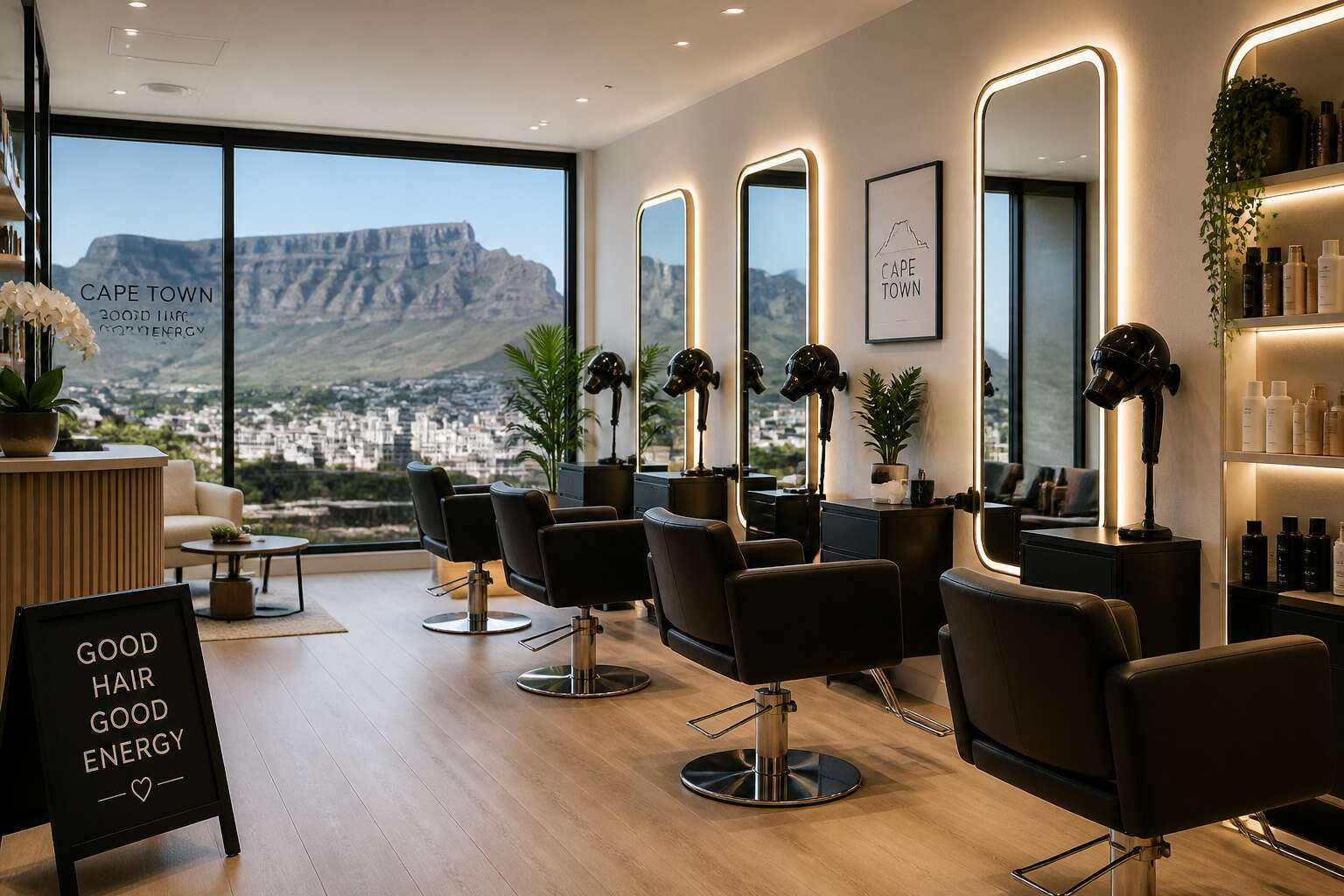
Understanding Cape Town’s Salon Supply Landscape
Key Suppliers and Distributors
Roughly 200 active suppliers and importers serve Cape Town’s salon trade, yet only a handful hold significant market share. The landscape is fragmented. It rewards those who can tell a distributor from a reseller.
The real differentiator is warehousing. A supplier who keeps stock locally will beat a cheaper importer whose lead time stretches to six weeks. Many city salons have experienced this directly. Distribution networks in the Western Cape are consolidating.
You will encounter several types of players:
- National wholesalers with regional branches
- Specialist importers focused on niche equipment categories
- Direct brand representatives offering factory warranties
Anyone sourcing salon equipment in Cape Town will find that stock levels and after-sales support weigh more heavily than advertised prices.
Local vs. Imported Equipment
Every salon owner in this city eventually faces the same question: does the cheaper import outweigh the wait? Imported machines often arrive with lower price tags, but they carry hidden expenses: freight insurance, customs delays, and a warranty that answers to a foreign clock. I have seen salon equipment in cape town fail under that distance.
Local stock moves differently. The units rest in warehouses, tested against the voltage fluctuations that plague the peninsula. When a compressor dies, a technician arrives before the week turns. You pay more. You sleep better!
- Waiting time stretches from days to months
- After-sales support exists only on paper
- Spare parts linger at the harbour
Imported gear remains necessary for niche tools, yet buyers must count the true cost of patience when selecting salon equipment in cape town.
The Rise of Sustainable and Eco-Friendly Options
Cape Town’s salon supply scene has developed a distinctive character, shaped by load shedding and a persistent water crisis. The salon equipment in cape town now leans toward resilience rather than showmanship. Suppliers have pivoted to solar compatible tools and low water systems. Sustainable options have shifted from fringe to foundation. One distributor stocks biodegradable styling gloves. Another offers a refill program for colour tubes. The growth appears in simple changes:
- Recycled packaging for retail products
- Energy efficient hood dryers with heat sensors
These shifts mirror a local temperament that prizes practicality. In this market, eco consciousness operates as a quiet form of good manners.
Navigating Trade Shows and Industry Events
Trade halls in Cape Town hold a strange quiet between demonstrations. The expos run smaller than Johannesburg’s, yet the vendors who arrive are the ones worth finding. I have wandered these floors during load shedding, where generators hum beneath the conversations. Attendance rewards patience.
Locating reliable salon equipment in cape town often starts in these hallways, not in printed brochures. Evening industry events at the V&A Waterfront or the Old Biscuit Mill gather stylists who exchange insights with intent. The gatherings stay small. Familiar names resurface, which deepens trust.
To move through these events with purpose, study your existing setup first. Conversations turn toward operating costs, warranty terms, and repair turnaround times.
- Ask about solar compatibility early
- Request service manuals before price lists
- Speak with technicians, not only sales staff
This rhythm produces a clearer view of what salon equipment in cape town truly costs beyond the invoice.
Core Equipment Categories Every Salon Needs
Styling Chairs and Wash Basins
In every salon, the styling chair bears the weight of expectation. Its base must hold steady through long shifts. Wash basins serve a different purpose. They cradle heads and hide the strain of the day. For those sourcing salon equipment in cape town, these two categories demand attention. The chair’s hydraulics need to respond without hesitation. The basin’s curve must align with the spine.
Consider the essentials:
- Swivel tests for repeated turns
- Foam density that resists flattening
- Drain placement preventing water backup
Comfort and durability intertwine here. A weak chair undermines confidence. A shallow basin disrupts peace.
Salon Lighting and Mirror Stations
The average client spends upwards of 40 minutes under salon lighting. That light shapes every judgement they make about the finished style. When buying salon equipment in cape town, mirror stations demand equal scrutiny. Colour temperature matters. A 5000 Kelvin bulb reveals true colour. Warm 2700 Kelvin flatters skin. The best setups layer both with a dimmer.
Mirror glass itself deserves attention. High-definition mirrors with silver backing prevent distortion. Standard glass reflects, but it can skew proportions. Your client needs accuracy. Your stylist needs precision. The station should include:
- Adjustable sconces for task lighting
- Magnifying mirrors for detail work
- Backlit panels to soften shadows
Good lighting removes guesswork. Salon equipment in cape town must offer this clarity. Without it, even skilled hands struggle.
Sterilization and Sanitation Essentials
Core equipment categories extend beyond chairs and basins. Autoclaves, ultrasonic baths, and closed storage systems are the core of a compliant practice. South African health regulations demand rigorous instrument handling. When sourcing salon equipment in cape town, prioritise these functional pieces alongside the aesthetic ones.
Sterilization needs heat and pressure. Chemical disinfectants handle what heat cannot. Foil pouches keep instruments sterile until use. Sharps containers must sit within arm’s reach of every workstation. I have walked into too many salons where the autoclave collects dust.
Every styling chair requires:
1. Barbicide jars with fresh solution
2. Single-use razors and needles
3. Disposable gloves and towels
4. Covered waste bins
These systems prevent cross-contamination. Clients notice hygiene. Your reputation depends on quiet systems working correctly every single day.
Back Bar and Treatment Equipment
Your back bar is where treatments become rituals. A salon that invests in functional back bar equipment operates with quiet precision. Consider what stands between you and a flawless facial: a reliable steamer, a magnifying lamp, a trolley that moves without protest.
- Facial steamers with adjustable mist
- Magnifying lamps with flexible arms
- Wax heaters with precise temperature controls
- Treatment beds with ergonomic adjustments
Each piece reduces friction. When sourcing salon equipment in cape town, look for items that support repeated daily use. Towel warmers add comfort. Product dispensers prevent waste. The cumulative effect is a space that feels professional to clients and sustainable for your staff.
Dryers, Hoods, and Styling Tools
The click of a heat dial is a promise. In Cape Town, dryers and hoods perform the slow work of styling. I have felt a weak motor stall under pressure, and seen curls fall flat from uneven heat. That is why salon equipment in cape town demands reliable mechanics!
Core tools for every station:
- Ionic dryers with adjustable heat settings
- Hooded dryers for consistent airflow
- Flat irons with ceramic plates
Each unit must hold its temperature through the day. A rattling hood disrupts concentration. An overheating styler damages hair. Seek machines with stable thermostats, solid wiring, and simple controls. The right equipment turns a rushed client into a loyal one.
Factors to Consider When Buying Equipment in Cape Town
Space Planning and Salon Layout
Half of all salon remodels go over budget because chairs arrive before the floor plan does. That is a fact we see across the industry. When shopping for salon equipment in cape town, the room should dictate the purchase, not the other way around. Start by mapping your square meters. Where will the wash basin sit? Which corner gets the dryer? A client should never hike across a busy salon to reach the shampoo station. Move the reception desk away from the wet area to keep electronics safe.
- Measure the width of every doorway twice
- Locate plumbing before ordering back bar units
- Plan the power point layout with your electrician
Space planning turns a cramped shell into a workable studio. Your layout decides how smoothly a shift runs.
Quality vs. Cost Trade-Offs
In Cape Town, the harbour air carries salt that corrodes untreated metal frames. The cheapest salon equipment in cape town often measures quality in months, not years. I have seen chairs rust by winter, and the owner pays twice. Price tags tempt, but service costs hide in the fine print.
Consider what breaks first. Look at the welds, the pump, the castors! A low-cost basin may save you R800 now, then leak after a hundred washes. Consider these trade-offs:
- Warranty coverage that actually pays out locally.
- Spare parts stocked in Cape Town, not shipped from abroad.
- Repair turnaround times that don’t close your station for a week.
Quality means asking how salon equipment in cape town handles load-shedding, humidity, and constant use. The trade-offs shift with each piece. A cheap chair fails differently than a cheap washer.
Warranty, Support, and Spare Parts
When a pump fails midweek, the difference between a working salon and a locked door comes down to who answers the phone. For salon equipment in cape town, the sale is only the beginning. A local supplier with a technician on standby beats a distant importer every time, especially when load-shedding surges fry circuit boards or hard water clogs a wash basin valve.
Ask for the service contract before you sign anything. Confirm which parts are stocked locally and which have to be ordered. The best suppliers keep common replacements on hand:
- Pumps and motors for basins and backwash units
- Castors, gas lifts, and swivel bases for chairs
- Heating elements and thermostats for sterilisers
Repair turnaround matters. A week without a station costs more than the part itself. And warranty claims only help if the paperwork and local support actually hold up. Choose salon equipment in cape town with a real service footprint, not just an attractive showroom.
Compliance with South African Safety Standards
Capetonian insurers track a grim pattern: salon fires that begin in equipment never certified for local voltage. A heating element rated for 110 volts meets a 230 volt socket. Compliance with South African Safety Standards is the only wall between a thriving salon and a closed door.
Before you accept any salon equipment in cape town, demand the paperwork! SANS 10142 governs fixed wiring. A SABS mark certifies product safety. A Certificate of Compliance ties both to your premises. Check the data plate against your wall socket.
- NRCS Letter of Authority for regulated goods
- SABS approval on the unit
- Certificate of Compliance for the installation
Equipment that arrives with proper documentation arrives with proper internals. Salon equipment in cape town that clears these hurdles will survive the surge and the daily grind. The rest will make its own news.
Ergonomics and Client Comfort
Ergonomics decide which pieces of salon equipment in cape town earn their keep and which end up in storage. A chair that looks plush but forces your stylist into a permanent hunch will cost you in staff turnover and physio bills. Clients notice when the headrest digs into their neck or the foot pedal is out of reach.
Test every adjustable joint before you pay. Check the gas lift for smooth action, not just on a showroom floor. Measure the height range against your actual wash basins and styling stations. Your own comfort matters as much as your client’s. If a piece of equipment makes you wince after 15 minutes of use, walk away. That rule alone will shape your entire approach to salon equipment in cape town.
- Armrests that move with the client, not against them
- Seat cushions with proper lumbar support
- Controls that sit within a natural resting hand position
Where to Find the Best Deals on Salon Equipment
Specialty Wholesalers in Cape Town
Specialty wholesalers in Cape Town operate on a simple rule: the price on the tag is only the starting point. For anyone hunting for salon equipment in Cape Town, the negotiation begins with a neutral expression and clear silence. Wholesalers in Epping and Montague Gardens tend to offer better deals on weekdays when foot traffic is low.
Ask about these options:
- Ex-display models, often discounted by a third.
- Dented packaging, the box is damaged but the machine works.
Bring your business card and expect a counter offer. The wholesaler will consider your leverage before stating a final figure.
Online Marketplaces and Auctions
Online marketplaces and auctions change how you source salon equipment in Cape Town. I have seen a nearly new styling chair sell for a third of its retail price, then watched a broken drier attract absurd bids. The difference lies in how carefully you inspect each listing.
Start with local sites and auction houses. Cape Town sellers often list on Gumtree and Facebook Marketplace, but the real finds appear at classified auctions for insolvent salons. Bring your phone and a list of model numbers.
- Check the seller’s history for cancelled sales.
- Ask for a video call to inspect the machine running.
- Calculate transport costs before you place a bid.
When you win a deal on salon equipment in Cape Town through these channels, the warranty usually dissolves into the transaction. That trade off is acceptable if the price justifies the risk.
Second-Hand and Refurbished Options
A dealer’s refurbished unit can outlast the new model sitting next to it. The specialist who strips a chair to its frame, replaces the pump, reupholsters the cushions, and recalibrates the hydraulics is essentially rebuilding the product. I have seen this work in smaller Cape Town workshops, and it gives salon equipment in cape town a reliable path away from auction uncertainty.
Some dealers take trade-ins as part of their business model. They sell new units, then refurbish the old ones and offer them with a limited warranty. That warranty is the key signal. It tells you the dealer has inspected the internals, not just polished the outside.
The distinction between refurbishment and repair matters. A repaired unit gets a broken component fixed. A refurbished unit gets cleaned, tested, and brought back to specification. The price gap between the two can be small, but the long-term reliability difference is substantial.
Leasing and Financing Solutions
Cash flow determines salon survival. Leasing offers a way to preserve that flow. For salon equipment in cape town, financing options turn large purchases into monthly payments. I have seen owners stress over a single dryer cost when a lease would have eased the panic!
Independent financiers often provide better rates than banks. Supplier programs sometimes include deferred payments or free servicing.
- Commercial asset finance through banks
- Vendor leasing offered by equipment suppliers
- Rental agreements with buyout clauses
Each route carries distinct interest terms. Fixed rates guarantee predictability. Prime-linked rates move with the economy. Understand the difference before signing.
Bundled Packages for New Salon Startups
Bundled packages consolidate the purchase process for new salon startups. In Cape Town, trade wholesalers pre-assemble starter kits that include styling chairs, wash basins, dryers, and sterilization units. I have seen owners pay less for the complete set than for each piece separately.
Three routes to these bundles:
- Factory showrooms in Epping and Ndabeni with current stock
- Supplier programs that bundle servicing and training
- Online marketplaces listing pre-curated salon equipment in cape town
The included items vary widely between bundles. Exact model numbers and warranty periods differ.
Maintaining Your Equipment for Longevity
Daily Cleaning and Care Routines
Every Cape Town salon operates on a simple truth: equipment requires attention. I have seen a single missed wipe lead to a costly repair. Daily cleaning is not optional; it is a routine that protects your salon equipment in cape town.
Start each morning with a deliberate sequence:
- Wipe all surfaces with a non-abrasive disinfectant.
- Inspect cords and plugs for signs of wear.
- Remove hair from motor vents and casters.
At closing, flush water lines and oil hinges. Weekly, sharpen scissors and lubricate clipper blades. These habits prevent the slow decline of your investment.
Regular Servicing and Calibration
Most Cape Town salons only call a technician when something breaks. That is expensive. I have seen a chair fail because nobody tightened a hydraulic valve in two years. Regular servicing catches these small failures before they become emergencies. Calibration matters just as much. A dryer that runs hot will damage hair and burn energy. A sterilizer that drifts from its cycle kills nothing. For salon equipment in cape town, scheduled maintenance prevents those emergencies.
Consider a simple quarterly rhythm:
- Check and recalibrate sterilizer temperatures
- Test hydraulic chair pressure and re-tighten fittings
- Verify clipper blade alignment and motor speed
That list takes an hour. It saves you a week of downtime later. Your salon equipment in cape town rewards this discipline. Put it on a fixed calendar, not on a whim.
Upgrading vs. Repairing: Making Smart Decisions
Grandmother’s dryer still works, but it works slowly. Longevity is not about squeezing every second out of a machine. It is about knowing when a repair costs more than your patience. I have fixed a chair for R200, then watched it fail a month later. The repair was the cheap option. The upgrade was the smart one.
If a fix exceeds half the replacement price, replace. If parts are discontinued, replace. If your technician mumbles about custom work, run. Most salon equipment in cape town reaches its practical limit after five years. That is normal. That is also your cue to evaluate, not panic.
- Repair when the fault is minor and the unit is young.
- Upgrade when energy bills climb or clients complain.
Seasonal Maintenance Checklists
The southeaster drags sand into every vent before summer even peaks. By July, your motors have already absorbed months of coastal humidity. Salon equipment in cape town rarely fails loudly. It degrades, a slower cycle here, a strange noise there. My own checklist came from a dryer that simply stopped drying well.
A seasonal checklist gives you a concrete timeline for that inspection:
- Test power cords for brittleness every July, when moisture peaks.
- Lubricate chair hydraulics in autumn, before the festive rush.
- Clean hood filters after spring, before heat builds up.
Calendar reminders outperform intuition. A thirty minute check today prevents a three week wait for a part that no longer ships.


0 Comments