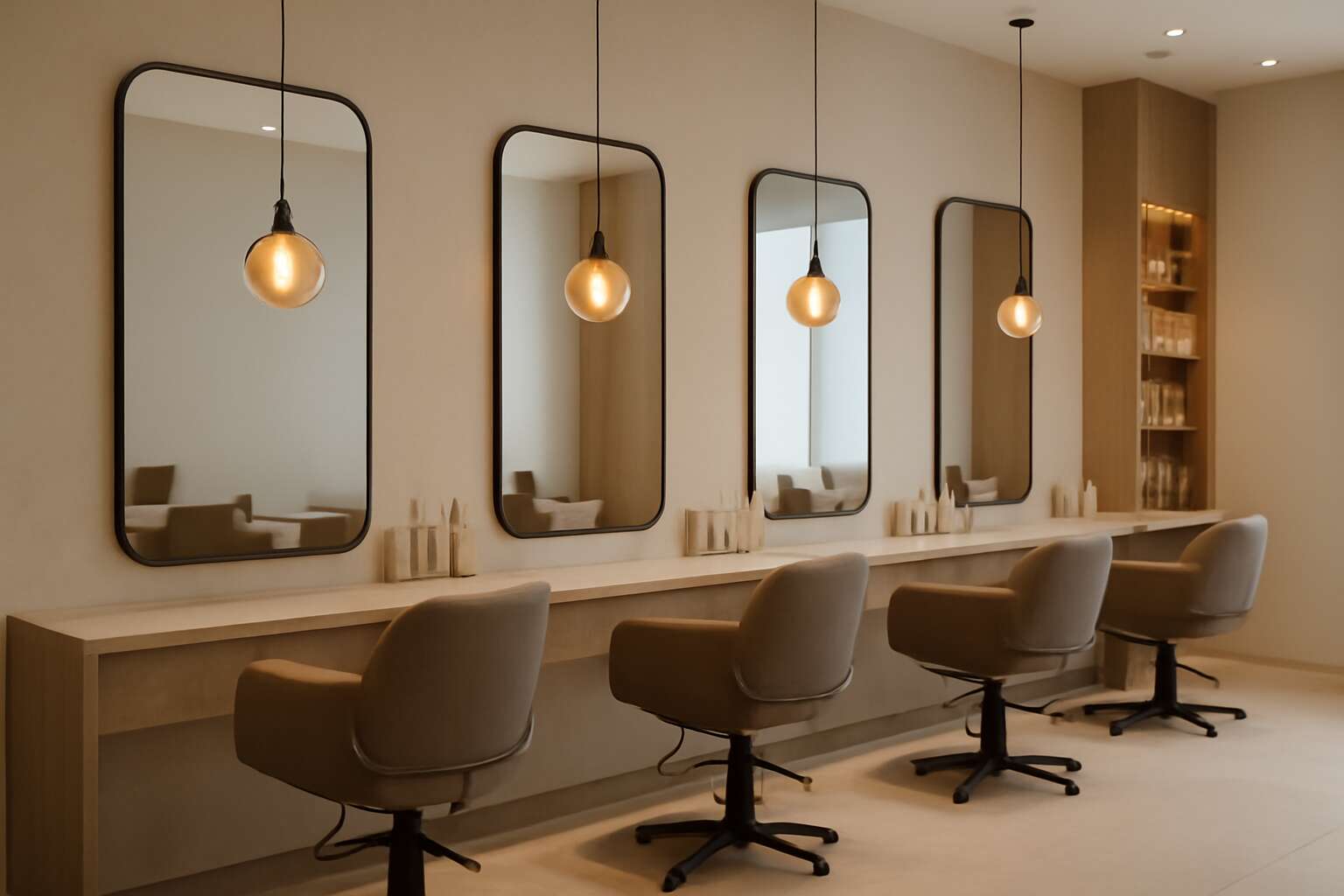
Beauty salon floor plan design principles
Key principles of modern salon layouts
A veteran stylist whispered, ‘A good layout is a silent service.’ In beauty salon layout design, the first impression is the choreography of space, light, and quiet corridors guiding a client from reception to service without a stumble. In South Africa, a well-planned floor plan brings calm to a busy day, turning routine visits into welcome moments!
Core principles shape modern layouts, guiding staff and clients alike.
- Zoning by function to prevent cross-traffic and preserve privacy
- Ergonomic stations and clear sightlines for staff efficiency
- Strategic lighting and acoustics to soften bustle and invite calm
These choices become the backbone of beauty salon layout design.
A thoughtful floor plan balances private moments with openness, nudges natural light through, and keeps pathways clear for everyone. That balance writes itself into every corner of the space.
That quiet language shapes daily life in salons across the country.
Traffic flow and floor plan strategies for salons
In the hush before the first touch of a stylist’s hand, the floor plan becomes a patient observer of desire. A striking majority form a lasting impression within the first moment of entrance, so traffic must move like a whispered wind. For beauty salon layout design in South Africa, the choreography of space matters as much as pigment and polish; sightlines, zones, and quiet corridors guide a guest from reception to service without a stumble!
- beauty salon layout design informs flow and privacy
- Pathways that invite movement without bottlenecks
- Back-of-house proximity that reduces travel time
From soft daylight to the hush of acoustics, a well-conceived plan balances drama with daily practicality. When this design comes together, it becomes a quiet theatre where clients feel seen and service staff glide along a well-lit stage. This design thrives in South Africa’s vibrant salons.
Lighting, acoustics, and color psychology in salon design
Light speaks before voice, and a guest reads a space in the first breath. In South Africa, where mornings drift from sun-blushed pale to Highveld brightness, daylight becomes a design ally, shaping expectations before a stylist even greets them.
Within beauty salon layout design, lighting, acoustics, and color psychology weave a discreet theater. Layered daylight, warm task lights at stations, and soft indirect glow create a stage where service flows with calm. Quiet zones and sound-absorbing surfaces protect privacy while keeping the energy uninterrupted. Even the floor plan breathes through light; skylights, windows, and wall niches guide traffic with grace.
Color psychology guides mood: earthy sands for trust, powder blues for calm, and jewel accents for personality. A restrained palette keeps attention on the client and the hands, while textures and finishes lend drama without glare.
- Warm neutrals that welcome
- Soft pastels that soothe
- Strategic metallics for focal points
Equipment layout, sanitation zones, and safety considerations
In the first sixty seconds of crossing its threshold, a guest reads a space as clearly as a sunrise. Industry whispers suggest that trust tightens when floor plans feel obvious and generous. In beauty salon layout design, the floor plan becomes a quiet conductor, guiding traffic, equipment, and mood before a single greeting!
Principles of floor plan design hinge on clean equipment layout, clearly defined sanitation zones, and safety-led pathways. Here are small but mighty features that keep service flowing without a stumble:
- Stations placed to minimize reach and backtracking, with ergonomic heights
- Sanitation zones separated from guest areas, featuring handwashing, sterilization, and waste containment
- Clear egress routes and compliant electrical and water connections for risk-free movement
Every square metre should breathe: gliding traffic, tactile textures, and softly lit zones that cue calm. When safety is woven into the plan, every service unfolds as a ritual rather than a rush.

0 Comments